

Study in Switzerland
for Indian & GCC Students
Home to ETH Zurich — 7th in the world — and seven of the world's top eight hospitality schools. Public-university fees are low, living costs are high, and the route to a Swiss career needs careful planning. Guide to Heights helps you plan it properly, with free counselling from our QEAC and British Council-trained team.
Updated October 2026 · Fees for 2026–27 · Reviewed by Abin Mathew Varghese, QEAC #10439

Is Switzerland a Good Study Destination for Indian Students?
Switzerland suits students who want world-class quality — in engineering and science at ETH Zurich and EPFL, or in hospitality at the schools that define the industry. It is not the cheapest or the fastest route to settling abroad. Here is what it genuinely offers Indian and GCC students.
Two Universities in the Global Top 25
ETH Zurich ranks 7th and EPFL 22nd in the QS World University Rankings 2026, with the University of Zurich at 100. Seven more Swiss universities appear in the rankings — remarkable for a country of nine million people.
The World Capital of Hospitality Education
In the QS 2025 Hospitality & Leisure Management ranking, EHL is 1st, Les Roches 2nd and Swiss Hotel Management School 3rd — seven of the top eight schools are Swiss. Programmes are in English and include paid internships.
Low Public-University Fees
Foreign students at ETH Zurich and EPFL pay CHF 2,190 per semester in 2026–27; at the University of Geneva it is just CHF 435. Tuition at Swiss public universities is a fraction of UK, US or Australian fees.
#1 for Innovation, 15 Years Running
Switzerland has topped WIPO's Global Innovation Index for 15 consecutive years. Pharma in Basel, banking in Zurich and Geneva, and deep-tech research around ETH and EPFL create serious career exposure.
Safe, Stable and Central
Switzerland ranks 5th in the Global Peace Index 2025. Its rail network connects every university city, and you are a short train ride from Germany, France, Italy and Austria.
A Truly International Degree
Geneva hosts the UN's European headquarters, WHO and WTO, and Swiss qualifications are respected worldwide. A Swiss hospitality degree is a strong credential for luxury hotel careers globally, including the UAE and wider GCC.
Top Courses in Switzerland — Bachelor's, Master's & Hospitality
Switzerland has two very different study tracks. Private hospitality and culinary schools teach in English from bachelor's level and build in paid internships. Public universities teach most bachelor's degrees in German, French or Italian, but offer a wide range of English-taught master's programmes — which is where most Indian students enter.
| Course | Level | Typical institutions | Language | Duration | Career outlook |
|---|---|---|---|---|---|
| 🏨 International Hospitality Management (BBA / BSc) | Bachelor's | EHL, Les Roches, SHMS, Glion, César Ritz | English | 3–4 yrs incl. paid internships | Very strong ⭐⭐⭐ |
| 🥂 Master's in Hospitality, Luxury or Hotel Management | Master's | Glion, Les Roches, SHMS, HIM | English | 1–2 yrs | Very strong ⭐⭐⭐ |
| 👨🍳 Culinary Arts & Pastry | Diploma / Bachelor's | Culinary Arts Academy Switzerland | English | 1–3 yrs | Strong ⭐⭐ |
| 💻 MSc Computer Science / Data Science / AI | Master's | ETH Zurich, EPFL, University of Zurich | English | 1.5–2 yrs | Very strong ⭐⭐⭐ |
| ⚙️ MSc Engineering (Mechanical, Electrical, Robotics, Civil) | Master's | ETH Zurich, EPFL | English | 1.5–2 yrs | Very strong ⭐⭐⭐ |
| 🧬 MSc Life Sciences / Biotech / Pharmaceutical Sciences | Master's | Basel, ETH Zurich, Geneva, Bern | English | 1.5–2 yrs | Strong ⭐⭐ (Basel pharma hub) |
| 📈 MSc Finance / Banking & Quantitative Finance | Master's | University of Zurich, St. Gallen, Geneva, Lausanne | English | 1.5–2 yrs | Strong ⭐⭐ |
| 💼 Master's in Management / MBA | Master's | University of St. Gallen, HEC Lausanne, private business schools | English | 1–2 yrs | Strong ⭐⭐ |
| 🌐 International Relations, Development & Public Policy | Master's | Geneva Graduate Institute, University of Geneva | English / French | 2 yrs | Good ⭐ (Geneva international organisations) |
| 🌱 Environmental Science & Sustainability | Master's | ETH Zurich, University of Lausanne, Bern | English | 1.5–2 yrs | Good ⭐ |
| 🔬 PhD in Science, Engineering or Health | PhD | ETH Zurich, EPFL, all public universities | English | 3–5 yrs | Doctoral roles are usually salaried positions |
Career outlook reflects demand in Switzerland and for Swiss qualifications internationally. A Swiss job offer still requires a work permit for non-EU nationals — see staying and working after graduation.
 Graduation Day
 Research & Study
 Campus Life
Top Universities and Hospitality Schools in Switzerland
Swiss public universities are funded by the federal government or the cantons and charge low fees. Hospitality schools are private, charge full fees and lead the world in their field. Sources: QS World University Rankings 2026 ↗ and the QS 2025 Hospitality & Leisure Management subject ranking.
Public universities
QS World University Rankings 2026ETH Zurich
Zurich · Federal institute of technology
EPFL
Lausanne · Federal institute of technology
University of Zurich
Zurich · Largest Swiss university
University of Geneva
Geneva · International city
University of Basel
Basel · Pharma & life-sciences hub
University of Bern
Bern · Swiss capital
University of Lausanne
Lausanne · Shares campus with EPFL
University of St. Gallen
St. Gallen · Business & economics specialist
Hospitality & culinary schools
QS Hospitality & Leisure Management 2025EHL Hospitality Business School
Lausanne
Les Roches
Crans-Montana
Swiss Hotel Management School
Caux & Leysin
César Ritz Colleges
Le Bouveret & Brig
Glion Institute of Higher Education
Glion (Montreux) & Bulle
HIM Business School
Montreux
Culinary Arts Academy Switzerland
Lucerne & Le Bouveret
Not sure which school fits?
We compare fees, internships and scholarships for your profile.
Compare FreeCan I Stay and Work in Switzerland After Studying?
Yes, but Switzerland is a quality-first destination, not a fast-PR one. Non-EU graduates get time to find a job, and Swiss degrees carry an advantage with employers — but work permits are capped every year and permanent residence takes about a decade. Source: EPFL — rules for foreign students ↗
Six-Month Job-Search Permit
Once you graduate from a Swiss university, you can get a residence permit for six months to look for work that matches your qualification. It cannot be extended, and you may work up to 15 hours a week during this period. You need proof of funds and suitable housing.
Work Permit (B or L)
Your employer applies for the permit. Normally, Swiss and EU candidates get priority — but graduates of Swiss universities can be exempt from that rule for jobs of high scientific or economic value. Permits for non-EU nationals are capped: 4,500 B and 4,000 L permits for 2026.
Settlement Permit (C)
A C permit normally needs 10 years of residence, the last 5 on an uninterrupted residence permit — or 5 years with strong integration and local-language skills. Study years count only once you have held a long-term residence permit for two years after graduating.
Swiss Student Visa Process for Indian & GCC Students
Students from India need a national long-stay (D) visa. The canton where you will study decides your application, and the Swiss Embassy issues the visa only after that approval. Guide to Heights helps you prepare a complete, consistent file. Source: Swiss visa information for India (VFS Global) ↗

Choose Your Programme and Apply
Shortlist public universities or hospitality schools that fit your grades, English score and budget. ETH Zurich's master's window for applicants with a foreign bachelor's is 1–30 November 2026 for autumn 2027. Hospitality schools admit for several intakes a year. Start with a free WhatsApp consultation →
Receive Your Admission Letter
Your acceptance or registration letter is mandatory for the visa. Pay any enrolment fee or deposit the institution requires, and keep the bank proof — the visa checklist asks for it.
Prepare Your Financial Proof
Show about CHF 21,000 per year for living costs plus tuition; the exact figure is set by the canton. The checklist asks for a sponsor letter explaining the source of funds and your relationship, the sponsor's ITR-V for the last two assessment years, and three months of stamped bank statements.
Write Your Covering Letter
The Swiss Embassy requires a signed personal letter explaining why you chose Switzerland, your career plans and how the studies benefit you — and confirming that you will leave Switzerland after completing your studies. Guide to Heights reviews this letter with you.
Submit Your D Visa Application
Submit three signed application forms, four photos, your passport (issued within 10 years), CV, admission letter, academic records and TOEFL or IELTS results in person. Your file goes to the cantonal migration office; the Embassy issues the visa after approval.
Arrive, Register and Get Your B Permit
Register with your local commune soon after arrival — usually within 14 days — to receive your residence permit B, renewed every year. Arrange compulsory Swiss health insurance. G2H gives you a free pre-departure briefing on housing, banking, insurance and work rules.
How Much Does It Cost to Study in Switzerland for Indian Students?
Swiss public-university tuition is low, but living costs are among the highest in the world, and hospitality schools charge full private fees. Figures are for 2026–27, converted at 1 CHF = ₹114.56 (15 October 2026). Sources: swissuniversities tuition fees ↗ and the University of Zurich cost estimate ↗
Scholarships to Study in Switzerland
Swiss scholarships are merit-based and competitive, and most open 9–12 months before the intake. Guide to Heights helps you identify the ones that fit your profile, free of charge. View all international scholarships ↗
ETH Zurich Excellence Scholarship & Opportunity Programme (ESOP)
For outstanding master's applicants in roughly the top 10% of their bachelor's cohort, open to all nationalities. Requires a thesis pre-proposal and two academic referees. The 2026 application window is 1–30 November.
Swiss Government Excellence Scholarships
For PhD candidates and research fellows who already hold a master's degree, with a research plan and a supervisor in Switzerland. Not available for taught master's study. Postdoctoral scholarships pay CHF 3,500 a month.
University of Lausanne Master's Grants
For excellent applicants with a foreign bachelor's degree and C1-level English or French. Paid for the standard length of the master's. The deadline is usually 1 November for the following academic year.
University of Geneva Excellence Master Fellowships
For master's applicants to the Faculty of Science (physics, chemistry, biology, mathematics, computer science, earth sciences) in roughly the top 10% of their cohort. Applications typically open in January.
EPFL Excellence Fellowships
A partial grant towards living costs for exceptional master's applicants, considered alongside the main admission round. Amounts and deadlines are set each cycle — we confirm the current figures for your application.
Hospitality School Merit Scholarships
EHL, Les Roches, Glion, SHMS and other schools offer partial merit and need-based awards, and their paid internship semesters reduce the net cost. Award sizes vary by school and intake.
Job Market and Salaries for Graduates in Switzerland
Swiss salaries are among the highest in the world, but so are expectations — employers look for specialised skills, and non-EU hires need a permit. These are the sectors where Swiss-trained graduates are most in demand.
- Hospitality & Luxury ManagementHotels, resorts, luxury brands and events — in Switzerland and worldwide, including the GCC.Geneva · Lausanne · Zurich · global
- Pharma & Life SciencesResearch, regulatory affairs and data roles in one of Europe's largest pharma clusters.Basel
- Software, AI & DataTech companies, research labs and fintech around ETH Zurich and EPFL.Zurich · Lausanne
- Banking, Wealth Management & FinancePrivate banking, asset management, risk and compliance.Zurich · Geneva
- Engineering & Precision ManufacturingRobotics, medtech, energy and advanced manufacturing.Across Switzerland
- International Organisations & NGOsUN agencies, WHO, WTO and hundreds of NGOs — competitive, but unique to Geneva.Geneva
- Commodity Trading & LogisticsTrading, shipping and supply-chain roles.Geneva · Zug
- Research & AcademiaPhD and postdoc positions, usually salaried, at ETH, EPFL and the cantonal universities.All university cities
Swiss Pay Benchmarks
Up to 15 hrs/week after your first 6 months — roughly CHF 1,430–1,600 a month before tax at CHF 22–25 an hour. Full-time work is possible during official university holidays. Switzerland has no national minimum wage; a few cantons set one.
Swiss University Intakes for Indian Students
Public universities admit mainly for September, with deadlines 9–10 months earlier. Hospitality schools run several intakes a year. Start your preparation 10–12 months ahead, especially if you need a scholarship.
Life in Switzerland for Indian Students
Clean, punctual, multilingual and spectacularly beautiful — and expensive. Here is what daily student life actually looks like.
Four National Languages
German, French, Italian and Romansh. Zurich and Basel are German-speaking; Geneva and Lausanne are French-speaking. English is widely used on campus, but basic local language skills help with part-time work and daily life.
World-Class Public Transport
Trains, trams and buses run like clockwork and connect every university city. Most students use a monthly city pass and a half-fare travel card for weekend trips.
Housing Needs Planning
Student residences and shared flats are the norm, and demand in Zurich, Geneva and Lausanne is high. Expect a deposit of one to three months' rent, and apply for housing as soon as you are admitted. Hospitality schools usually provide campus accommodation.
A Growing Indian Community
Zurich, Geneva, Basel and Lausanne have Indian grocery stores, restaurants and cultural associations, and celebrations like Diwali are increasingly common. Cooking at home is the norm — eating out is costly.
Safety & Health Insurance
Switzerland is 5th in the Global Peace Index 2025. Health insurance is compulsory for residents, including students, so budget for it from day one.
The Alps on Your Doorstep
Lakes, mountains and hiking trails are minutes from campus, and you can reach Paris, Milan or Munich by train for a weekend.
Switzerland vs Germany for Indian Students
Both are excellent European destinations, but they suit different priorities. Here are the factors Indian and GCC families compare most often.
| Factor | 🇨🇭 Switzerland | 🇩🇪 Germany |
|---|---|---|
| Public-university tuition | CHF 870 – 8,000 a year (ETH/EPFL CHF 4,380) | Mostly free; small semester contribution (Baden-Württemberg charges non-EU students) |
| Proof of funds for the visa | About CHF 21,000 a year, set by the canton | €11,904 a year in a blocked account (2026) |
| Living costs | CHF 1,750 – 2,500 a month | Lower — the visa benchmark is €992 a month |
| Work during studies | 15 hrs/week after 6 months; full-time in holidays | 140 full or 280 half days a year |
| Post-study job search | 6 months, non-extendable | Up to 18 months |
| Work permit after graduation | Employer-sponsored, capped by annual quotas | No quotas; EU Blue Card route |
| Permanent residence | C permit after 10 years (5 with integration) | Much faster for German graduates in skilled work |
| Teaching language | Bachelor's mostly German/French; many English master's | Bachelor's mostly German; many English master's |
| Stand-out strength | ETH/EPFL research, hospitality, finance, pharma | Engineering, automotive, budget-friendly study |
Document Checklist for Your Swiss Application
Prepare these well in advance. G2H reviews every document against your institution's requirements and the Swiss Embassy's student checklist for India.
University / School Admission
Swiss Student Visa (National D)
Who Switzerland Suits Best
From counselling families in Kerala and the GCC, these are the students for whom Switzerland is usually the right call.
Future hotel and luxury-brand leaders
Students who want an English-taught hospitality or culinary degree from the schools that set the global standard, with paid Swiss internships built in. Popular with GCC families who see the region's hospitality growth first-hand.
EHL · Les Roches · SHMS · GlionHigh-achieving STEM graduates
Engineering, computer science and science graduates with top grades and IELTS around 7.0, aiming for ETH Zurich or EPFL — some of the best value-for-quality master's degrees in the world.
ETH Zurich · EPFL · ZurichFinance, pharma and policy specialists
Graduates targeting private banking in Zurich or Geneva, life sciences in Basel, or international organisations in Geneva.
St. Gallen · Basel · Geneva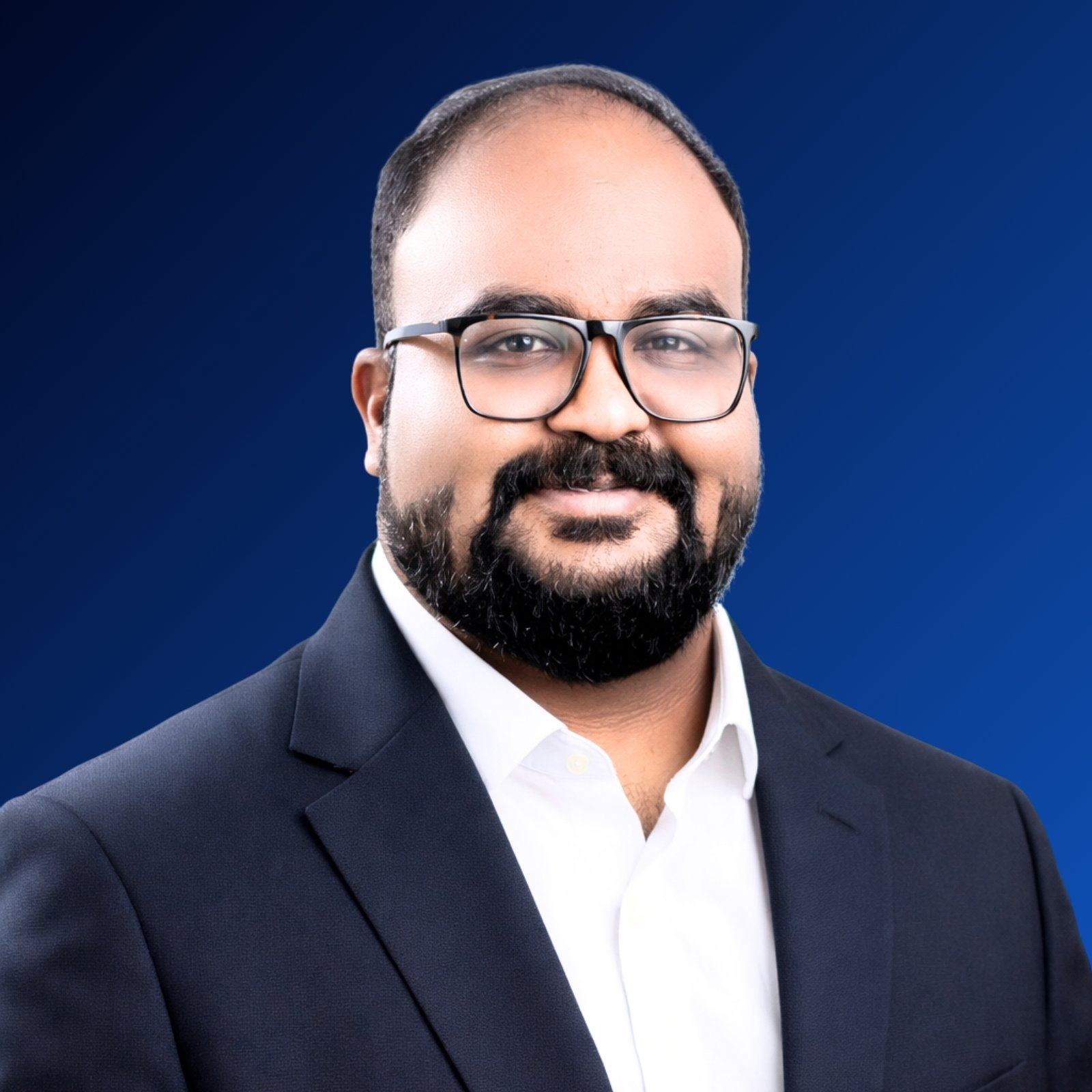
Abin Mathew Varghese
Founder & Director, Guide to Heights · QEAC #10439 · British Council-trained #49805
Abin Mathew Varghese, Founder and QEAC Certified Counsellor #10439, personally guides each student through their study abroad journey. He holds an MBA and a Master's in IT from Deakin University, Melbourne, and leads G2H's teams in Kochi, the UAE and Melbourne.
Helpful Resources for Your Swiss Application
Frequently Asked Questions — Study in Switzerland for Indian Students
How much does it cost to study in Switzerland for Indian students?
At public universities, tuition is low: about CHF 870 to CHF 8,000 a year in 2026–27, and CHF 4,380 a year (CHF 2,190 per semester) at ETH Zurich and EPFL — roughly ₹1–9 lakh. Living costs are the bigger item: budget at least CHF 1,750 a month (the University of Zurich's minimum estimate), or CHF 21,000–30,000 a year (about ₹24–34 lakh). A realistic first year for a public-university master's is CHF 25,000–35,000 (about ₹29–40 lakh). Private hospitality schools cost far more — roughly CHF 60,000–95,000 for a first year, including meals. Get a cost plan for your course ↗
Is studying in Switzerland free for international students?
No, but Swiss public universities are among the most affordable in Western Europe. In 2026–27, foreign students pay between CHF 435 per semester (University of Geneva) and CHF 4,000 per semester (USI), with ETH Zurich and EPFL at CHF 2,190 per semester. The real cost of Switzerland is living expenses, which are among the highest in the world, and private hospitality schools charge full fees.
Can I work while studying in Switzerland?
Yes, with limits. Non-EU students can usually work up to 15 hours per week during the semester, but only after their first six months of residence, and full-time during official university holidays. Your employer applies for the work permit with the cantonal authority. At Geneva's 2026 minimum wage of CHF 24.59 per hour, 15 hours a week brings in roughly CHF 1,600 a month before tax — helpful, but not enough to cover Swiss living costs on its own.
Can I get PR after studying in Switzerland?
Switzerland is not a fast-PR country, and it is best to plan for that honestly. After graduating you can get a non-extendable six-month permit to look for a job. If a Swiss employer hires you, graduates of Swiss universities can be exempt from the usual "Swiss and EU candidates first" rule for jobs of high scientific or economic value, but permits for non-EU nationals are capped (4,500 B and 4,000 L permits in 2026). A settlement permit (C) normally needs 10 years of residence, or 5 with strong integration and language skills, and study years only count once you have held a long-term residence permit for two years after graduating.
What IELTS score is required to study in Switzerland?
It depends on the institution. ETH Zurich's English-taught master's programmes generally expect IELTS 7.0 (C1 level), and EPFL and the other public universities look for a similar B2–C1 level. Private hospitality schools usually accept lower scores for bachelor's entry, so check each school's requirement. Most public-university bachelor's degrees are taught in German, French or Italian, so English-taught options are mainly at master's level. The Swiss Embassy's student visa checklist for India also lists TOEFL or IELTS results as mandatory. Check your PTE to IELTS equivalent ↗
How much bank balance is needed for a Swiss student visa?
Plan to show about CHF 21,000 per year for living costs (roughly ₹24 lakh), plus your tuition fees — the exact amount is set by the canton where you will study. The Swiss Embassy's checklist for India asks for a sponsor's letter explaining the source of funds and your relationship, the sponsor's ITR-V for the last two assessment years, and three months of stamped bank statements. Guide to Heights reviews your financial documents before you submit.
Which are the best universities in Switzerland for Indian students?
In the QS World University Rankings 2026, ETH Zurich is 7th in the world and EPFL is 22nd, followed by the University of Zurich (100), Geneva (155), Basel (158), Bern (184) and Lausanne (212). For hospitality, Switzerland leads the world: in the QS 2025 Hospitality & Leisure Management ranking, EHL is 1st, Les Roches 2nd and Swiss Hotel Management School 3rd, with César Ritz Colleges, Glion, HIM Business School and Culinary Arts Academy Switzerland also in the top 8.
Is Switzerland good for hotel management for Indian students?
Yes. Switzerland is the global reference for hospitality education, with seven of the world's top eight schools in the QS 2025 subject ranking. Programmes are taught in English and usually include paid internships; at Swiss Hotel Management School, internship salaries can reach CHF 2,350 a month gross. The trade-off is cost: a three-year hospitality bachelor's can total around CHF 185,000 including accommodation and meals, so scholarships and a clear career plan matter.
What scholarships are available to study in Switzerland?
For master's study, the strongest options are ETH Zurich's Excellence Scholarship & Opportunity Programme (full tuition plus CHF 12,000 per semester), the University of Lausanne Master's Grants (CHF 1,600 a month), the University of Geneva Excellence Master Fellowships in science (CHF 10,000–15,000 a year) and EPFL Excellence Fellowships. The Swiss Government Excellence Scholarships (CHF 1,920 a month) are for PhD and research applicants who already hold a master's. Hospitality schools offer partial merit scholarships. Guide to Heights checks which ones fit your profile, free of charge. See all international scholarships ↗
Switzerland or Germany — which is better for Indian students?
Germany is cheaper and more flexible after graduation: most public universities charge no tuition, the 2026 blocked account requirement is €11,904 a year, and graduates get 18 months to find a job. Switzerland offers world-leading universities, the best hospitality schools and very high salaries (a median of CHF 7,024 a month in 2024), but higher living costs, a 15-hour weekly work limit and a stricter, quota-based route to a work permit. Choose Switzerland for ETH- or EPFL-level study or a hospitality career; choose Germany if budget and long-term settlement are your priorities.
When should I apply to Swiss universities?
Start 10–12 months before your intake. Most public-university programmes start in mid-September. ETH Zurich's master's application window for applicants with a foreign bachelor's is 1–30 November 2026 for autumn 2027, with no spring entry. EPFL's main master's round closes in mid-December, and cantonal universities generally close between February and April — earlier if you need a visa. Hospitality schools run several intakes a year, typically in spring and autumn.
How does Guide to Heights help with studying in Switzerland?
Guide to Heights (QEAC #10439, British Council-trained #49805) gives free counselling for Switzerland: comparing public universities with hospitality schools, shortlisting programmes, motivation letters and applications, scholarship searches, financial document review and Swiss student visa preparation. Our counsellors work from Kochi, the UAE and Melbourne, so families in Kerala and the GCC get advice in their own time zone. WhatsApp +91 89217 68892 to start. Book a free consultation ↗
Ready to Study in Switzerland? Start Today — Free.
led by a British Council-trained counsellor (#49805) and QEAC-certified (#10439), Guide to Heights brings Australian-trained expertise directly to students in Kerala and the UAE. For Switzerland, we help you choose the right track — public university or hospitality school — and build an application, budget and visa file that hold up.
WhatsApp +91 89217 68892 · Botim / IMO +91 89216 52087 · info@guidetoheights.com